 Setouchi Tourism Lemon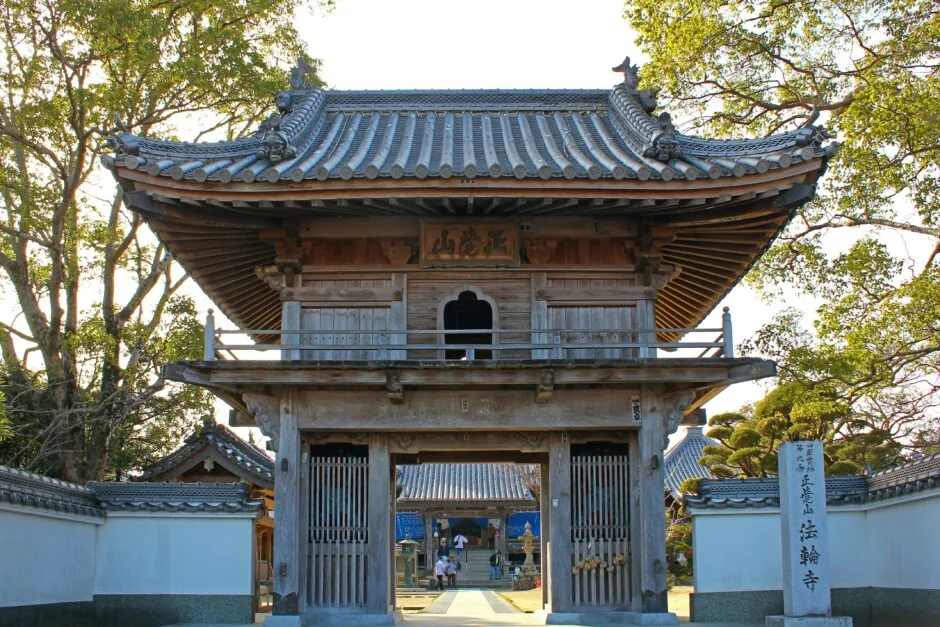

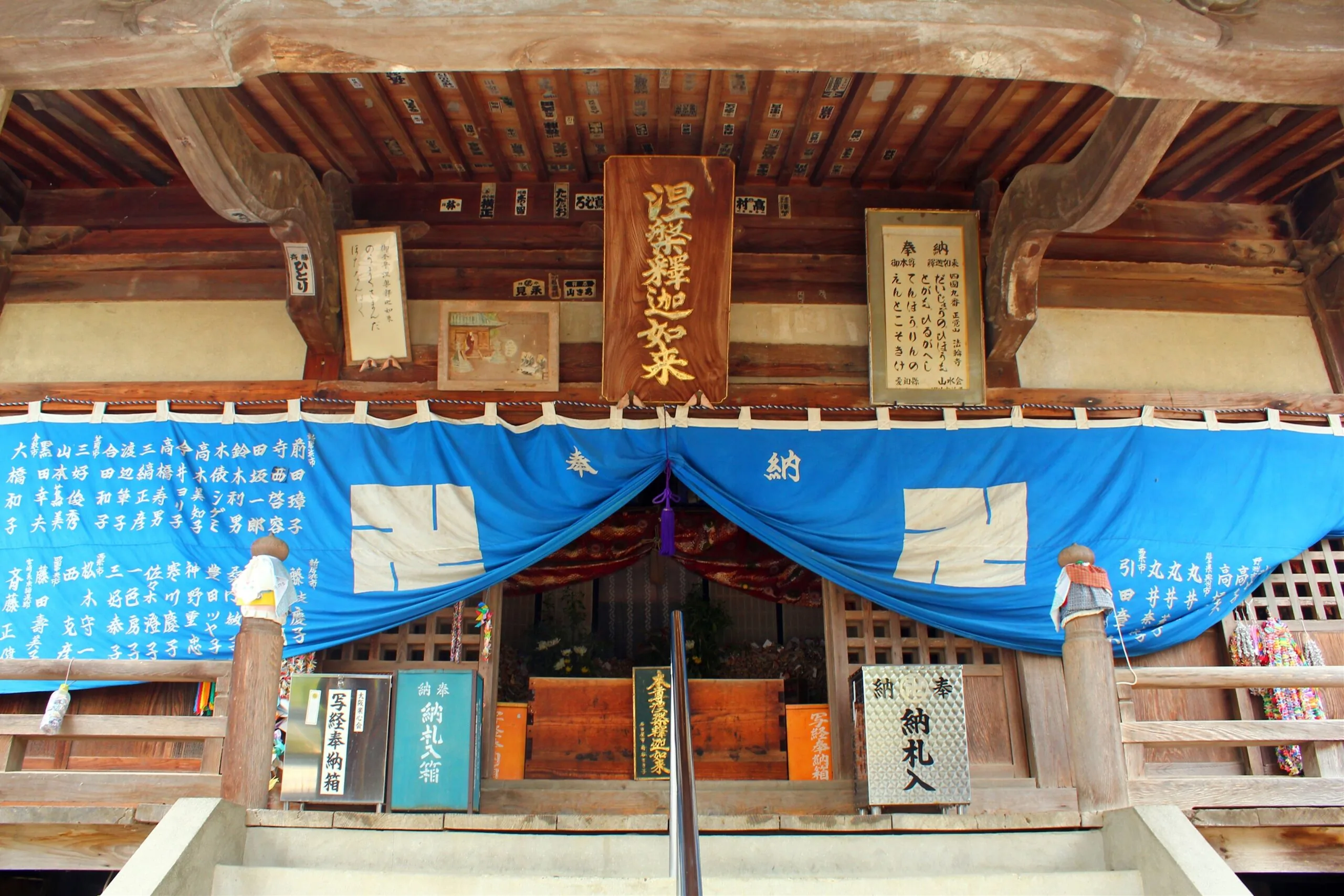
The 9th temple of the 88 Sacred Sites in Shikoku, Horinji, is a historic sacred place located in Awa City, Tokushima Prefecture. Its principal image is the Nirvana Shaka Nyorai, the only one of the 88 sacred sites in Shikoku.
The temples in Tokushima Prefecture are called the “Hatsushin Dojo” (numbers 1 to 23) and are visited by many pilgrims as the starting point for the pilgrimage. Horinji Temple is one of them, and is an important temple where you can experience the history and culture of the Shikoku Pilgrimage.
What are the highlights of the 9th temple “Horinji”?
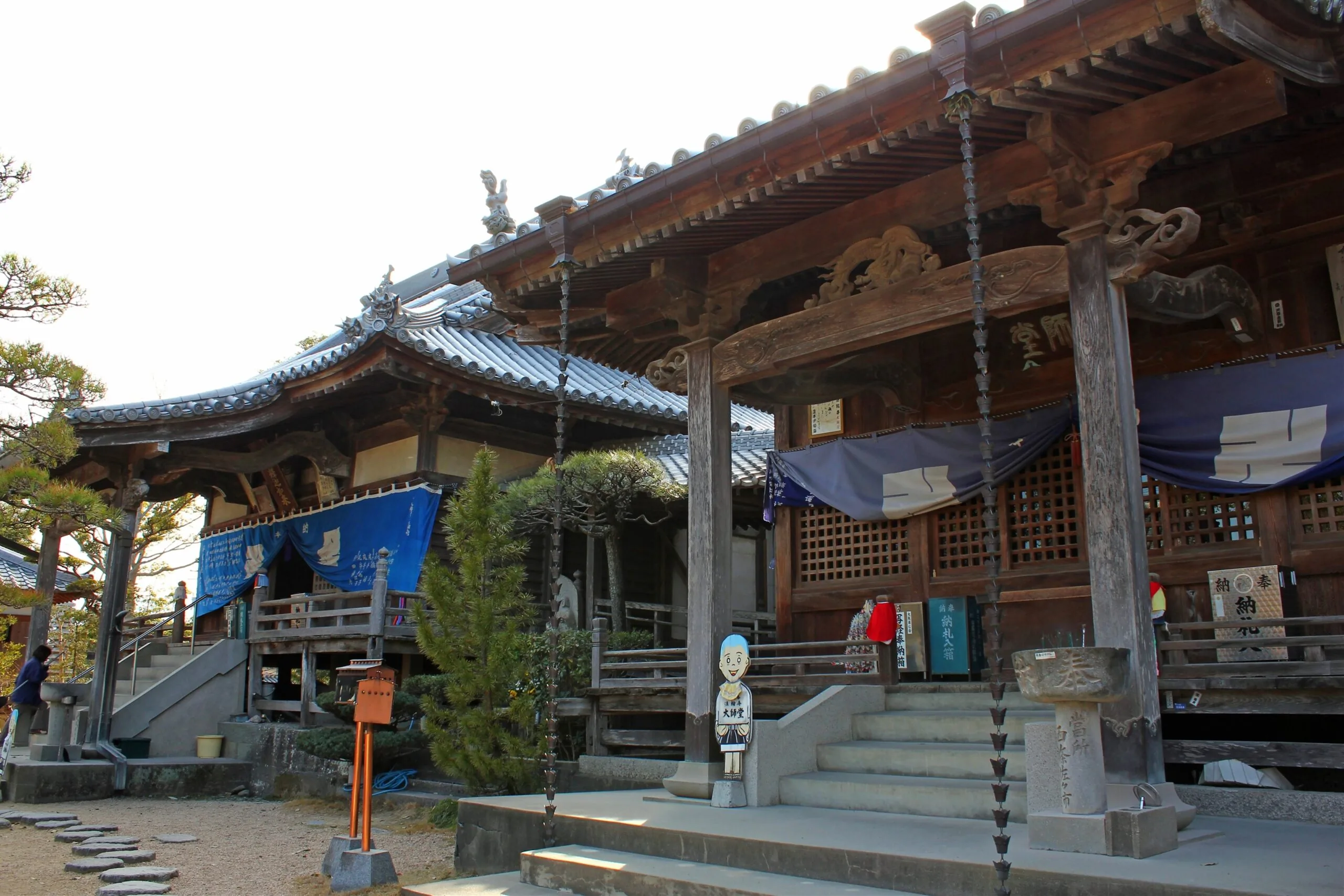
Horinji Temple is the only one of the 88 sacred sites in Shikoku whose principal image is the Nirvana Shaka Nyorai. The principal image is said to be Nirvana Shaka Nyorai, the sect is Koyasan Shingon sect, and the founder is Kobo Daishi. The temple grounds are lined with historical temples, creating a space where seasonal nature and Buddhist culture are in harmony.
Poem: “If you hold the Dharma wheel of the Mahayana Buddha’s wish, you should become a Buddha.”
You can spend time in deeper prayer by reciting this hymn in your heart during your pilgrimage.
Three points to visit Horinji Temple
① Best time to visit the shrine
The temple grounds change with the seasons, with cherry blossoms in the spring, green leaves in the summer, red leaves in the fall, and silence in the winter, giving it a different feel no matter when you visit. Tokushima Prefecture faces the Seto Inland Sea and has a warm climate, so spring and autumn are the best seasons to visit the shrine.
② Suggested time needed
Approximately 30 minutes to 1 hour to visit the shrine, pray, and walk around the temple grounds. It is crowded on weekends and during the spring and autumn pilgrimage seasons, so we recommend visiting early in the morning and planning your visit with plenty of time.
③ Necessary items for the pilgrimage and process of worshiping
Basic information of Horinji Temple
How to access Horinji Temple
By car: From the nearest IC on the Tokushima Expressway/Kobe Awaji Naruto Expressway, head toward Awa City. For details, please refer to the address in the basic information.
Public transportation: Take a taxi or bus from the nearest JR station. Pilgrimage bus tours and rental cars from Tokushima Station and Naruto Station are convenient.
Nearby temples that you should visit together with Horinji Temple
The 88 sacred sites in Shikoku are generally ordered in order, starting with number 1 (Ryozenji) and ending with number 88 (Okuboji). Be sure to check out the temples before and after Horinji Temple, as well as the temples in Kagawa Prefecture.
Frequently asked questions about Horinji/Pilgrimage
Q1. What is the delivery time (goshuin stamp reception time)?
Pilgrimage delivery times are usually from 7:00 to 17:00. Goshuin stamps and Buddhist sutras cannot be received outside of these hours, so please plan your visit accordingly.
Q2. Are there admission fees and parking fees?
You can visit the shrine grounds for free, but there are some temples that require a separate parking fee (about 200 to 500 yen for a regular car) and entrance fee to the treasure hall.
Q3. What are the benefits of visiting the shrine in pilgrimage costumes?
Pilgrimage costumes such as a white robe, a robe, and a vajra cane are not only formal, but also have benefits such as making it easier to receive entertainment and calming your mind. Rentals and purchases are possible at temples such as Ryozen-ji Temple, the No. 1 temple.
Q4. Where can I receive a Goshuin (Nokyo)?
You can receive it for about 500 yen at the nokyo office of each temple. Many people visit with a three-piece set that includes a notebook, a white coat, and a hanging scroll, and a notebook can be purchased for around 700 to 2,000 yen.
Q5. Which is better: a pilgrimage by car or a walking pilgrimage?
Choose according to your time and physical strength. A car pilgrimage can be completed in 10 to 14 days, while a walking pilgrimage takes 40 to 50 days, but offers a more profound experience. Rental cars, bus tours, and taxi pilgrimages are also popular.
Q6. Can a beginner start the pilgrimage?
Of course it is possible. In addition to the toruuchi, which visits 88 locations all at once, it is also common to perform the pilgrimage in sections. You can play the game in either order, starting from number 1, or reverse the game, allowing you to play at your own pace.
Summary | Horinji, the 9th temple you must visit on your pilgrimage
Horinji, the 9th temple of the 88 Sacred Sites in Shikoku, is the only one of the 88 Sacred Sites in Shikoku whose principal image is the Nirvana Shaka Nyorai. If you come to Awa City, Tokushima Prefecture, please make this a day of your pilgrimage. Time to calm your mind and experience the history and Buddhist culture of Shikoku awaits you.