 Setouchi Tourism Lemon
Kochi Prefecture is located in the southern part of Shikoku and is a travel destination with magnificent natural views overlooking the Pacific Ocean and a unique culture such as Ryoma Sakamoto and the Yosakoi Festival. There is no shortage of sights to see, such as the last clear stream in Japan, the Shimanto River, Cape Muroto, which is certified as a global geopark, Cape Ashizuri, the southernmost tip of Shikoku, and Kochi’s symbols Katsurahama and Kochi Castle.
In this article, we will provide you with a complete guide to your trip to Kochi, covering Kochi Prefecture’s main sightseeing spots, 16 of Shikoku’s 88 “Dojos of Training”, and gourmet information.
Tourist spots in Kochi City area [Ryoma and gourmet center]
Kochi City, the prefectural capital of Kochi Prefecture, is an area where the main sightseeing spots in Kochi are concentrated, such as historical sites related to Ryoma Sakamoto, the Yosakoi Festival, and local food at Hirome Market.
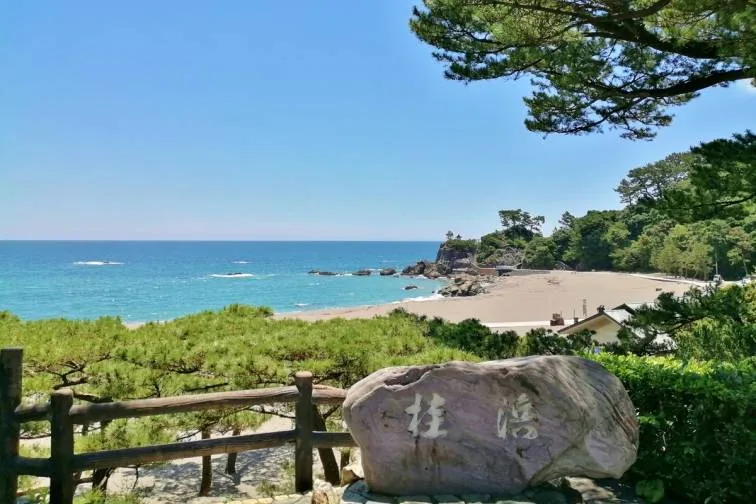
 [Kochi City] Katsurahama|Kochi’s symbolic beach overlooking the Sakamoto Ryoma statue and the Pacific Ocean
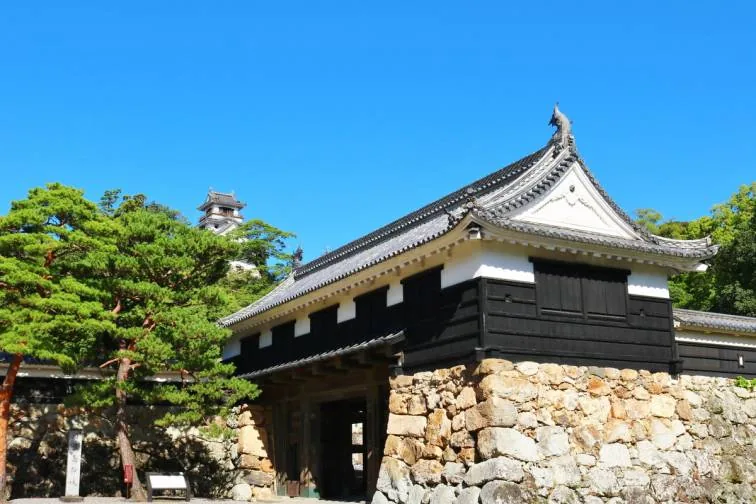
 [Kochi City] Kochi Castle | The only famous castle in Japan with both the castle tower and Honmaru Palace still in existence
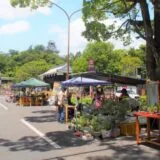 [Kochi City] Sunday Market | A huge street market with a total length of about 1km with a history of over 300 years
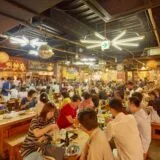 [Kochi City] Hirome Market | “Kochi Gourmet Mecca” located in the center of Kochi
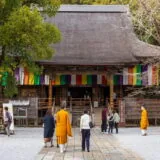 Shikoku Sacred Site 31st Temple ~ Chikurinji Temple ~
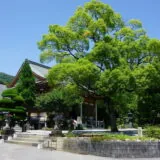 Shikoku Sacred Site 30th Temple ~Zenrakuji~
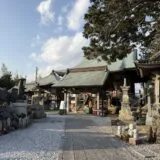 Shikoku Sacred Site No. 32 – Zenshimineji Temple –
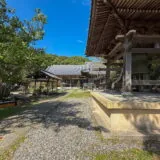 Shikoku Sacred Site 33rd Temple ~Sekkeiji~
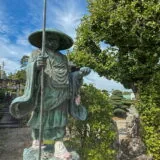 Shikoku Sacred Site No. 34 ~Tanegenji~
Tourist spots in Muroto area [World Geopark]
Cape Muroto has been recognized by the world as the “Muroto Geopark” where you can experience tectonic activity on a global scale. A spectacular view of rocky reefs and rough waves spreads out.
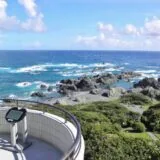 [Muroto City] Cape Muroto | A cape certified as a global geopark where you can experience global crustal activity
 [Muroto City] Muroto Global Geopark Center | Free hands-on facility where you can learn about the charms of Muroto Geopark
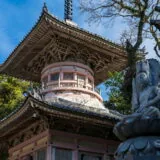 Shikoku Sacred Site No. 24 ~Saimisakiji Temple~
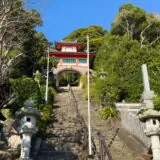 Shikoku Sacred Site No. 25 ~ Tsushoji Temple ~
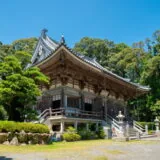 Shikoku Sacred Site No. 26 ~Kongochoji~
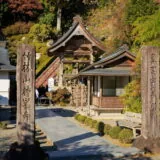 Shikoku Sacred Site No. 27 ~ Kamineji Temple ~
Tourist spots in the Ashizuri area, the southernmost tip of Shikoku
Cape Ashizuri, the southernmost tip of Shikoku, is a scenic spot located on top of a sheer cliff. You can enjoy the magnificence of nature from sunrises and sunsets to the stars in the night sky.
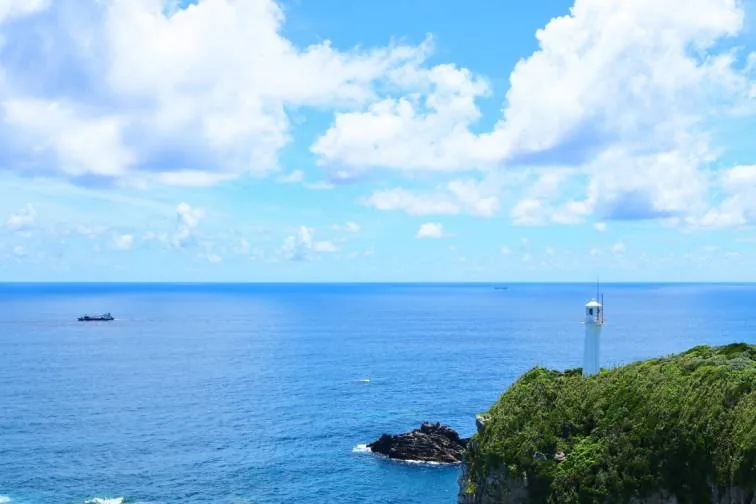
 [Tosa-Shimizu City] Cape Ashizuri | Cape with a spectacular view on top of a cliff at the southernmost tip of Shikoku
 Shikoku Sacred Site 38th Temple – Kongofukuji Temple –
 Shikoku Sacred Site No. 39 – Enkoji Temple –
Tourist spots in the Shimanto/Western area [Japan’s last clear stream]
The Shimanto River, known as Japan’s last clear stream, is a large river with a length of approximately 196 km. There are many experiences that allow you to enjoy a sense of unity with nature, such as canoeing, sightseeing boats, and river rafting.
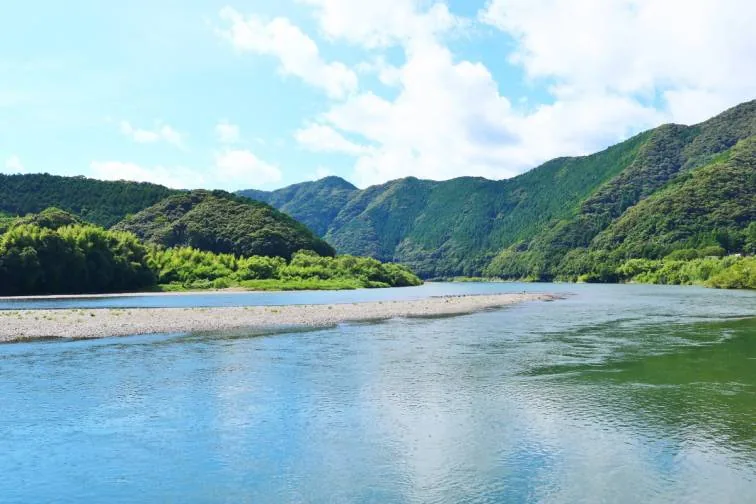
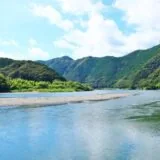 [Shimanto Town] Shimanto River | Canoeing, sightseeing boats, and river rafting are popular on Japan’s last clear stream, a 196km long river
 Shikoku Sacred Site No. 37 – Iwamotoji Temple
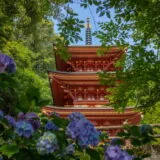 Shikoku Sacred Site No. 36 ~ Seiryuji Temple ~
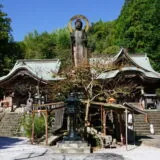 Shikoku Sacred Site No. 35 – Kiyotaki Temple –
Sightseeing spots in Kami/Nangoku/Susaki area
This is the hometown of Takashi Yanase, the area where Anpanman’s sacred place and Ryugado Cave, one of Japan’s three major limestone caves, are located. Recommended for family trips and day trips.
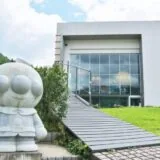 [Kami City] Kami City Takashi Yanase Memorial Museum Anpanman Museum | A sacred place for the Anpanman family built in Takashi Yanase’s hometown
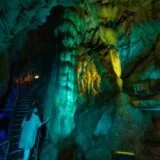 [Kami City] Ryugado Cave | One of Japan’s Three Great Limestone Caves, formed over nearly 200 million years
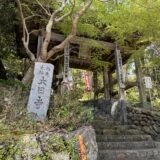 Shikoku Sacred Site No. 28 ~ Dainichiji Temple ~
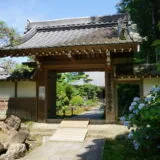 Shikoku Sacred Site No. 29 ~ Kokubunji ~
Basic information you should know before traveling to Kochi Prefecture
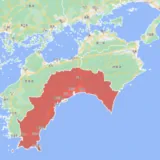 Kochi Prefecture | A prefecture facing the Pacific Ocean known for Ryoma Sakamoto, seared bonito, and the Shimanto River
 Climate of Kochi Prefecture | Weather information for Kochi Prefecture, which is warm and rainy and has long sunshine hours
 Kochi Prefecture Tourism Brochure | Summary of official tourism materials useful for planning your Kochi trip
Model course for sightseeing in Kochi Prefecture
1 night 2 days plan (Kochi city + Katsurahama)
Day 1: Kochi Ryoma Airport → Kochi Castle → Lunch at Hirome Market → Sunday Market (Sunday only) → Katsurahama → Overnight stay in Kochi City.
Day 2: After breakfast, go back to Chikurinji Temple and Wutai Mountain Park.
2 nights and 3 days plan (Eastern/Muroto Geopark)
Day 1: Kochi Station → Katsurahama → Anpanman Museum → Stay in the Kahoku area.
Day 2: Ryugado Cave → Cape Muroto/Geopark tour → Overnight stay in Muroto area.
Day 3: Training dojo tour at Saimizakiji Temple, Tsushoji Temple, and Kongochoji Temple → Return trip.
2 nights and 3 days plan (Western / Shimanto River)
Day 1: Kochi Station → Susaki/Kiyotaki Temple → Shimanto River Down → Overnight in Shimanto Town.
Day 2: Shimanto River sightseeing and canoe experience → Cape Ashizuri → Overnight stay in Ashizuri area.
Day 3: Kongofukuji → Enkoji → Return.
Frequently asked questions about Kochi Prefecture tourism
Q1. What is the best season to visit Kochi?
The biggest highlight is the Yosakoi Festival from August 10th to 11th. We also recommend cherry blossoms in spring, colored leaves in fall, and summer fun in the Shimanto River.
Q2. How to access Kochi?
Airplane: Kochi Ryoma Airport (direct flight from Tokyo/Osaka). Overland: From Okayama, Matsuyama, and Tokushima on the Kochi Expressway. Transfer to the Shinkansen at Okayama Station.
Q3. What is the local food in Kochi?
Famous for bonito tataki (straw grilled), Shimanto eel, dish dishes, Tosa Jiro, and local sake (Tosazuru, Suigei, etc.).
Q4. What are your recommendations for sightseeing along the Shimanto River?
Houseboat excursions, river rafting, canoeing, and submerged bridge tours are standard. The sightseeing train “Shiman Torokko” is also recommended.
Q5. What are the characteristics of the dojo for pilgrimage training?
Kochi’s 16 temples (numbers 24 to 39) are the trial stage of the pilgrimage, and are called “training halls” because of the long distances between temples. Even a pilgrimage by car takes one to two days.
Summary|Kochi Prefecture is an attractive travel destination filled with nature, history, and local food
Kochi Prefecture is a travel destination filled with a variety of attractions, including the magnificent view of the Pacific Ocean, the history of Sakamoto Ryoma and the Tosa clan, a food culture represented by seared bonito, and 16 temples in the 88 Shikoku “training dojos.” Please use the 30 selections in this article as a reference to create your own Kochi travel plan.
Photo provided by:shikoku-guide.com/Kochi Travel Net (Kochi Prefecture Tourism and Convention Association)