 Setouchi Tourism Lemon
Tokushima Prefecture is located in the eastern part of Shikoku and is a travel destination with a wealth of natural and traditional cultural attractions such as Awa Odori, Naruto Whirlpools, and Iya Valley. As one of the 88 sacred sites in Shikoku, it is also the starting point for a pilgrimage.
In this article, we will provide you with a complete guide to your trip to Tokushima, including internal links to Tokushima Prefecture’s main tourist spots, hot spring inns, and pilgrimage temples 1 to 23.
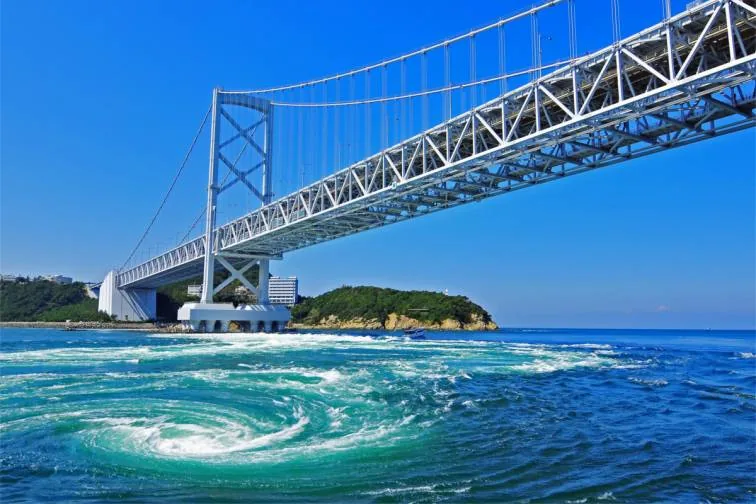
Tourist spots in the Naruto area [Sacred place of whirlpools]
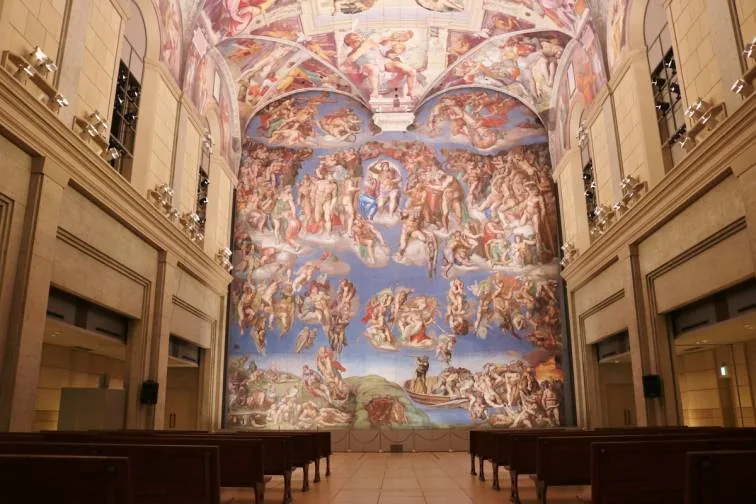
Naruto Strait is known for the world’s largest whirlpools. There is also the world’s largest museum of ceramic masterpieces, where you can enjoy the collaboration between art and nature.
 [Naruto City] Uzu no Michi | Maritime promenade where you can see the whirlpools of the Naruto Strait from directly above
 [Naruto City] Otsuka Museum of Art | The world’s first ceramic art museum with full-size reproductions of over 1,000 masterpieces from around the world on ceramic boards
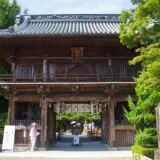 Shikoku Sacred Site No. 1 Temple ~ Ryozenji ~
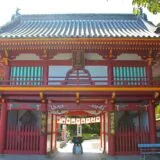 Shikoku Sacred Site No. 2 ~ Gokurakuji Temple ~
Tourist spots in the Tokushima City area [Sacred place of Awa Odori]
Tokushima City, the capital of Tokushima Prefecture, is the birthplace of Japan’s three major Bon dances, Awa Odori. Mt. Bizan rises in the center, and the area around the station is a base for sightseeing in Tokushima.
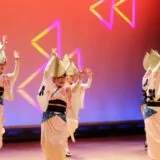 [Tokushima City] Awa Odori Hall | A facility where you can experience Japan’s three major Bon dances, “Awa Odori” all year round
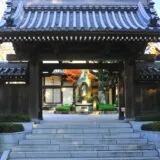 Shikoku Sacred Site No. 13 ~ Dainichiji Temple ~
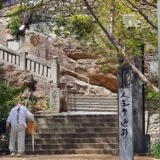 Shikoku Sacred Site 14th Temple ~Jorakuji~
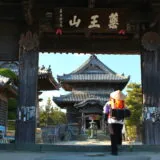 Shikoku Sacred Site No. 15 ~ Kokubunji ~
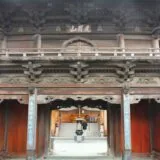 Shikoku Sacred Site No. 16 ~ Kanonji ~
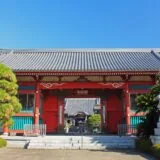 Shikoku Sacred Site No. 17 – Ido-dera Temple
Tourist spots in Miyoshi/Iya area [Unexplored village]
Iya, with its deep valleys and traditional villages, is one of Japan’s three great unexplored regions. You can enjoy the history of mountain worship and the spectacular scenery of nature.
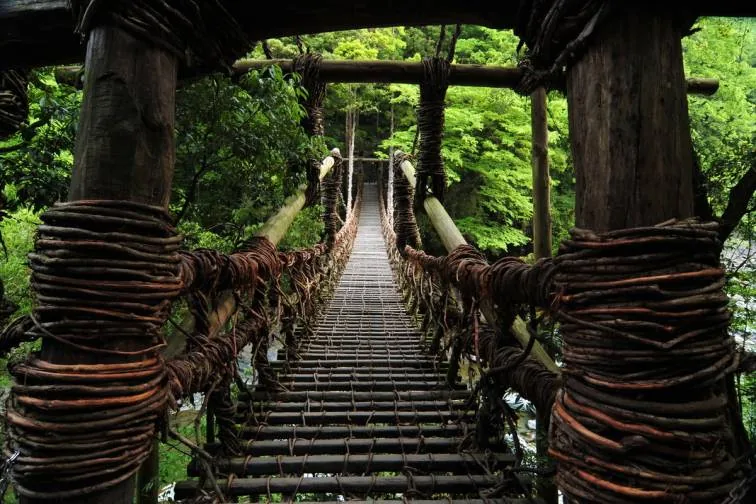
 [Miyoshi City] Iya Kazura Bridge | One of Japan’s three most unique bridges woven from Shirakuchi Kazura
 Shikoku Sacred Site Twelfth Temple ~Yakezanji~
 [Miyoshi City] Japanese Inn Hotel Iya Onsen | An unexplored open-air bath that you can get off by cable car
 [Miyoshi City] Togenkyo Mountain Village of Iya|Stay in an old folk house renovated from a traditional folk house in Iya
 [Miyoshi City] Shin-Iya Onsen Hotel Kazurabashi | Hot spring inn with cable car near Kazurabashi
Tourist spots in Mima/Western area
Mima City’s Udatsu townscape retains the merchant townscape of the Edo period. You can also experience the traditional craft of indigo dyeing.
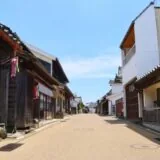 [Mima City] Udatsu townscape|Important Traditional Buildings Preservation District where the merchant townscape of the Edo period remains
 [Aizumi Town] Aizumi Town History Museum Ai no Yakata | History museum where you can learn about Tokushima’s traditional craft “Aizome”
Hatsushin Dojo/Shikoku 88 Sacred Sites (1 to 23 temples)
The 23 temples in Tokushima Prefecture are called “Hatsushin Dojo” and are the starting points for pilgrimages. From Ryozenji Temple No. 1 to Yakuoji Temple No. 23, you can experience a tour of sacred sites where nature and history intertwine.
Temples in the Naruto/Itano area (numbers 3 to 10)
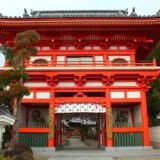 Shikoku Sacred Site Third Temple – Kinsenji Temple –
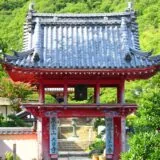 Shikoku Sacred Site No. 4 – Dainichiji Temple
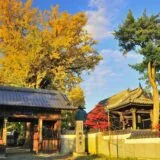 Shikoku Sacred Site No. 5 ~ Jizoji Temple ~
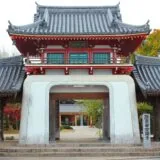 Shikoku Sacred Site No. 6 – Anrakuji Temple
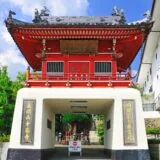 Shikoku Sacred Site 7th Temple ~Jurakuji~
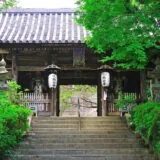 Shikoku Sacred Site No. 8 – Kumagai-dera Temple
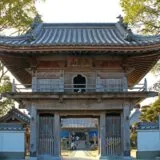 Shikoku Sacred Site No. 9 – Horinji Temple –
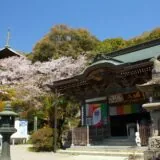 Shikoku Sacred Site No. 10 ~ Kirihata Temple ~
Yoshino River Basin Temple (No. 11)
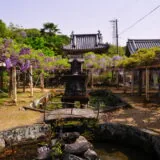 Shikoku Sacred Site No. 11 ~Fujiidera~
Temples in the Komatsushima, Katsuura, and Anan areas (numbers 18 to 23)
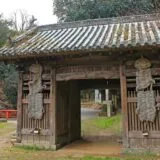 Shikoku Sacred Site 18th Temple – Onzanji Temple
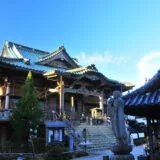 Shikoku Sacred Site No. 19 ~ Ritsukoji Temple ~
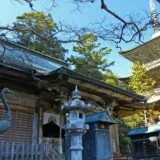 Shikoku Sacred Site No. 20 – Kakurin-ji Temple
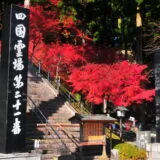 Shikoku Sacred Site 21st Temple ~Tairyuji~
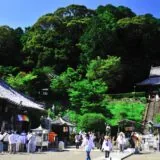 Shikoku Sacred Site No. 22 – Byodoji Temple –
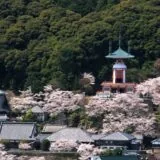 Shikoku Sacred Site No. 23 ~Yakuoji Temple~
Basic information you should know before traveling to Tokushima Prefecture
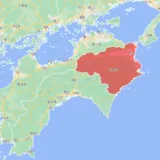 Tokushima Prefecture | A prefecture in eastern Shikoku with unique features such as Awa Odori, Naruto Whirlpools, and Iya Valley
 Tokushima Prefecture’s climate | Weather information for Tokushima, which has a mix of Seto Inland style and Pacific side climates
 Tokushima Prefecture tourism pamphlet | Summary of official tourism materials useful for planning your Tokushima trip
Model course for sightseeing in Tokushima Prefecture
1 night 2 days plan (Naruto + Tokushima City)
Day 1: Kobe – Naruto → Otsuka Museum of Art → Viewing the whirlpools on Uzu-no-michi → Visiting and staying at the Awa Odori Hall in Tokushima City.
Day 2: After breakfast, start the pilgrimage to Ryozenji, Gokurakuji, and Kinsenji → Return home.
2 nights 3 days plan (Iya secret tour)
Day 1: Tokushima Station → Bizan → Awa Odori Kaikan → Overnight in Tokushima City.
Day 2: Take JR/rental car to Iya → Kazurabashi → Stay at Iya Onsen.
Day 3: Udatsu townscape → Otsuka Museum of Art → Return home.
Frequently asked questions about Tokushima Prefecture tourism
Q1. What is the best season to visit Tokushima?
The biggest highlight is the Awa Odori festival from August 12th to 15th, but the whirlpools can be enjoyed all year round, and the best time to see the autumn leaves in Iya is from October to November. Cherry blossoms in spring and colored leaves in autumn are also great.
Q2. When is the best time to see whirlpools?
The peak of “whirlpools” is 1.5 hours before and after spring tide, and 1.5 hours before and after low tide and high tide. Check the tide table in advance.
Q3. How to access Tokushima?
Airplane: Tokushima Awaodori Airport. Overland: 1.5 to 2 hours from Osaka/Kobe on the Kobe-Awaji-Naruto Expressway/Tokushima Expressway.
Q4. How to start the pilgrimage from step 1?
You can purchase a set of a white robe, a robe, a vajra staff, and a notebook at Ryozenji Temple, the 1st temple. You are free to choose your pilgrimage style by walking, driving, bus, or taxi.
Summary|Tokushima Prefecture is a diverse destination where you can enjoy Awa Odori, whirlpools, and unexplored areas
Tokushima Prefecture is a travel destination where you can discover something different every time you visit: the excitement of the Awa Odori dance, the power of the whirlpools of Naruto, the sense of unexplored areas of Iya, and the spirituality of the pilgrimage. Please use the 30 selections in this article as a reference to create your own Tokushima travel plan.
Photo provided by:shikoku-guide.com/Awa Navi (Tokushima Prefecture Tourism Association)