 Setouchi Tourism Lemon
Ehime Prefecture is located in the northwestern part of Shikoku and is a travel destination facing the Seto Inland Sea and Uwa Sea, with a warm climate, rich nature, and history and culture. Shikoku boasts one of the most abundant tourism resources, including Dogo Onsen, Japan’s oldest hot spring with a history of 3,000 years, Matsuyama Castle, one of the 12 remaining castle towers, and the Shimanami Kaido, a scenic road that connects the islands of the Seto Inland Sea.
In this article, we will provide you with a complete guide to your trip to Ehime, covering the main sightseeing spots in Ehime Prefecture, including 26 temples, local food, and lodging information on the Ohenro (Bodhi Dojo).
Tourist spots in Matsuyama area [Ehime tourism center]
Matsuyama City, also known as the setting for Natsume Soseki’s “Botchan,” is the prefectural capital of Ehime Prefecture. It is a main tourist spot in Ehime, home to Japan’s oldest hot springs, an existing castle tower, and historical sites related to great literary figures.
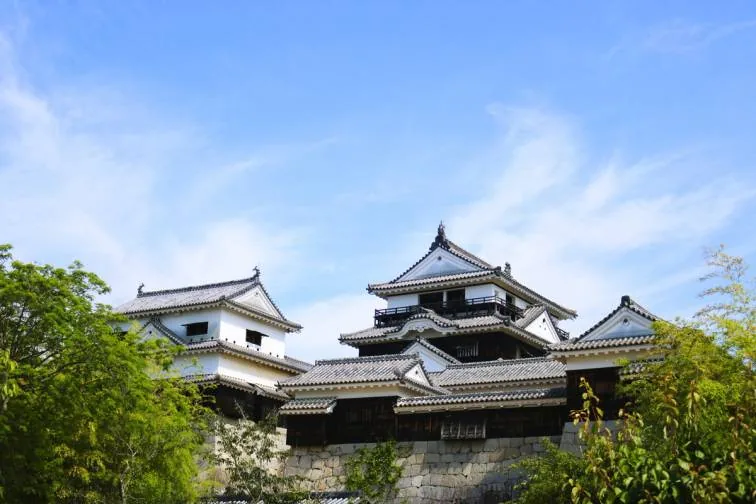
 [Matsuyama City] Matsuyama Castle | One of the largest castles in Shikoku with 12 existing castle towers, a famous spot for cherry blossoms and autumn leaves
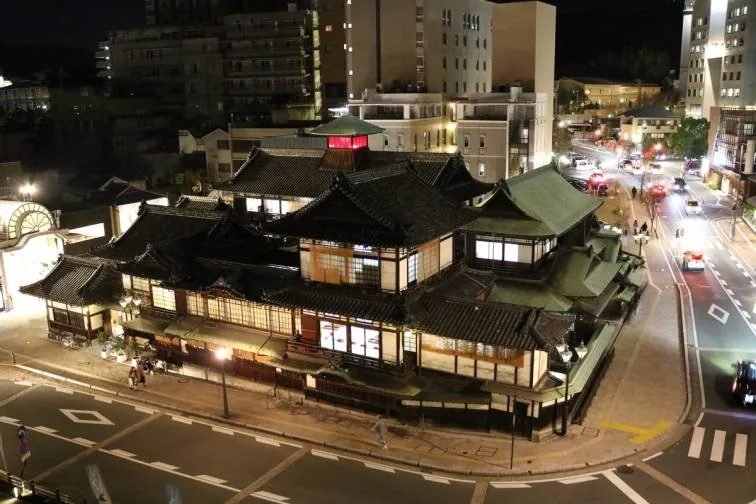
 [Matsuyama City] Dogo Onsen | Japan’s oldest hot spring, the setting for Natsume Soseki’s “Botchan”
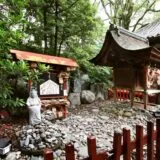 Shikoku Sacred Site No. 51 – Ishiteji Temple
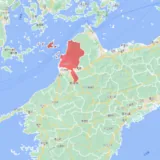 Matsuyama City | The prefectural capital of Ehime Prefecture, home to Dogo Onsen and Matsuyama Castle
Tourist spots in the Shimanami Kaido/Imabari area
The Shimanami Kaido is approximately 60km long and connects islands in the Seto Inland Sea from Imabari City, Ehime Prefecture to Onomichi City, Hiroshima Prefecture. This is a popular area that is world-famous as a cycling road and where you can experience the spectacular views of the Seto Inland Sea.
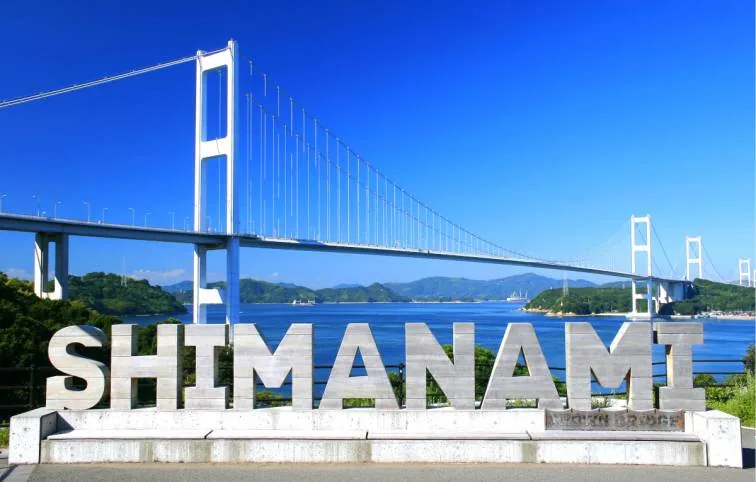
 [Imabari City – Onomichi, Hiroshima Prefecture] Shimanami Kaido | A 60km scenic cycling road connecting the islands of the Seto Inland Sea
 Shikoku Sacred Site No. 54 ~Enmeiji~
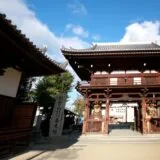 Shikoku Sacred Site No. 55 ~ Nankobo ~
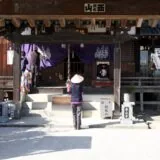 Shikoku Sacred Site No. 56 ~ Taizanji Temple ~
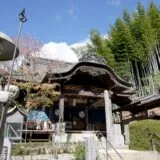 Shikoku Sacred Site No. 57 ~Eifukuji~
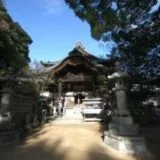 Shikoku Sacred Site No. 58 ~Senyuji~
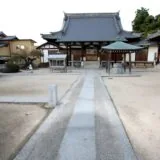 Shikoku Sacred Site No. 59 ~ Kokubunji ~
Tourist spots in Saijo/Niihama area
Saijo area, the base of Mt. Ishizuchi. It has flourished as a sacred place for the Ishizuchi faith since ancient times, and is an area of mountain worship where many of the 88 Sacred Sites of Shikoku are also gathered.
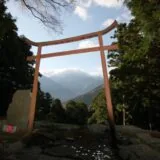 Shikoku Sacred Site No. 60 – Yokomineji Temple
 Shikoku Sacred Site 61st Temple ~ Koonji Temple ~
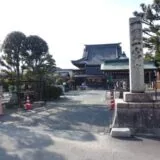 Shikoku Sacred Site No. 62 ~Hojuji Temple~
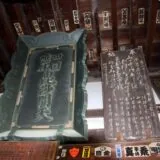 Shikoku Sacred Site No. 63 ~ Kichijoji ~
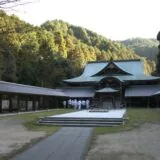 Shikoku Sacred Site No. 64 – Zenjinji Temple –
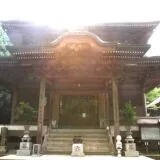 Shikoku Sacred Site No. 65 ~ Sankakuji Temple ~
Tourist spots in Uwajima/Nanyo area
The Uwajima/Seiyo area in the southwestern part of Ehime Prefecture is a cultural area with one of the largest Japanese gardens in Shikoku and a group of historical temples. You can also enjoy the peaceful scenery of the Uwa Sea.
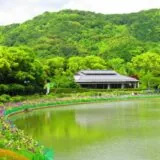 [Uwajima City] Japanese Garden Nanrakuen|One of the largest Japanese gardens in Shikoku with a strolling pond and fountain
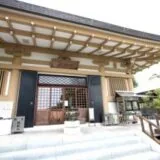 Shikoku Sacred Site No. 40 – Kanjizaiji Temple –
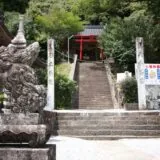 Shikoku Sacred Site 41st Temple ~Ryukoji~
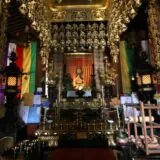 Shikoku Sacred Site No. 42 – Butsugokuji Temple –
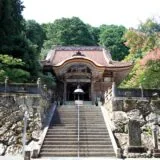 Shikoku Sacred Site No. 43 ~ Akashiji Temple ~
Sightseeing spots in Kumakogen area
Kumakogen Town in central Ehime Prefecture is a relay area for visiting sacred sites, with Nakafudasho, the midway point of the 88 temples in Shikoku. There is a mystical atmosphere created by the combination of mountain worship and nature.
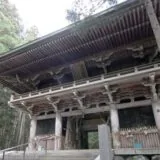 Shikoku Sacred Site No. 44 – Daihoji Temple –
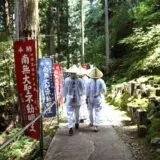 Shikoku Sacred Site No. 45 ~ Iwaya Temple ~
Tourist spots in the Uchiko area
Uchiko Town retains its townscape from the Edo period to the Taisho era. A photogenic historical walking area where you can experience traditional Japanese architecture and culture.
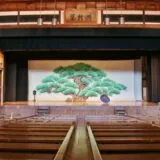 [Uchiko Town] Uchiko-za | A historic wooden theater built in 1919 and still in operation where Kabuki is performed.
Pilgrimage temples around Matsuyama
Around Matsuyama City, the center of Ehime’s Bodhi dojo, there are many ancient temples with a history dating back to the Nara period.
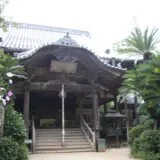 Shikoku Sacred Site No. 46 ~ Joruriji Temple ~
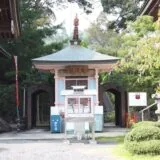 Shikoku Sacred Site No. 47 – Yasaka-dera Temple
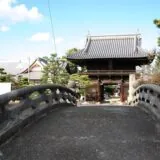 Shikoku Sacred Site No. 48 – Sairinji Temple
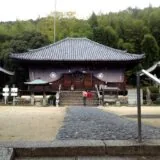 Shikoku Sacred Site No. 49 – Jodo-ji Temple
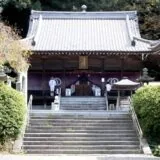 Shikoku Sacred Site No. 50 ~ Hantaji Temple ~
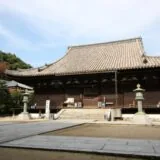 Shikoku Sacred Site No. 52 ~ Taizanji Temple ~
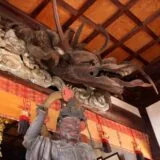 Shikoku Sacred Site No. 53 ~Enmyoji~
Basic information you should know before traveling to Ehime Prefecture
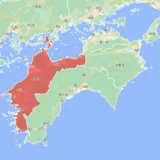 Ehime Prefecture | Prefecture in western Setouchi and Shikoku known for mandarin oranges and Shimanami Kaido
 Ehime Prefecture’s climate|Ehime has a warm Seto Inland climate and is easy to travel throughout the year
 Ehime Prefecture tourism pamphlet | Summary of official tourism materials useful for planning your Ehime trip
Model course for sightseeing in Ehime Prefecture
1 night 2 days plan (Matsuyama + Dogo Onsen)
Day 1: Matsuyama Airport → Matsuyama Castle → Lunch on Okaido → Bathing at Dogo Onsen Main Building → Stay at Dogo Onsen.
Day 2: After breakfast, visit Ishite-dera Temple → take the Botchan train to Matsuyama Station → return home.
2 nights 3 days plan (Matsuyama + Shimanami Kaido)
Day 1: Matsuyama Airport → Matsuyama Castle → Stay at Dogo Onsen.
Day 2: Cross the Shimanami Kaido by rental car or bicycle (Imabari – Onomichi) → Stay overnight in Imabari city.
Day 3: Visit temples in the Imabari area such as Nankobo and Kokubunji → Return home.
Frequently asked questions about Ehime Prefecture tourism
Q1. What is the best season to visit Ehime?
The Seto Inland Sea with its cherry blossoms in spring (March-May) and the blue sky in summer (July-August), the autumn leaves in autumn (October-November) and the mandarin orange harvest season in winter (December-February) are all attractive. Dogo Onsen can be enjoyed throughout the year.
Q2. How many days do you need to sightsee in Matsuyama?
If you only want to see the main sights of Matsuyama Castle and Dogo Onsen, we recommend 1 night and 2 days, but if you want to include Shimanami Kaido and Uchiko, we recommend 2 nights and 3 days or more.
Q3. How to access Ehime?
Airplane: Matsuyama Airport (direct flights from Tokyo/Haneda, Osaka, Fukuoka, and Okinawa). Shinkansen: Transfer at Okayama Station and take the limited express Shiokaze to Matsuyama Station, approximately 2 hours and 40 minutes.
Q4. What are the recommended local foods in Ehime?
A wide variety of dishes, mainly seafood from the Setouchi and Uwa Sea, such as sea bream rice, Jakoten, Botchan dango, tarts, mandarin oranges/Iyokan, sea bream somen, and five-colored somen.
Q5. Can you enjoy Shimanami Kaido by car?
Can be crossed by car, motorcycle, or bicycle. Cycling is world-famous, but you can also visit the tourist spots on each island efficiently by car.
Summary|Ehime Prefecture is a travel destination with hot springs, spectacular views, and history
Ehime Prefecture is an attractive prefecture that offers a variety of travel styles, including classic spots where you can experience history and culture such as Dogo Onsen and Matsuyama Castle, scenic cycling along the Shimanami Kaido, and touring the sacred sites of the 26 temples of the Bodhi Pilgrimage. Please use the 50 recommendations in this article as a reference to create your own Ehime travel plan.
Photo provided by:shikoku-guide.com/Iyokan Net (Ehime Prefecture Tourism and Products Association)